 01/19/2015 - Professor Steve Keen Talks Financial Repression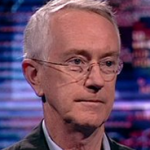
Special Guest: Professor Steve Keen – Professor & Head Economics, History & Politics Kingston University, London
THE ART OF GETTING AN EDUCATION IN ECONOMICS
Professor Steve Keen has found that top flight universities are dominated by very narrow, doctrinaire teaching. This stylized view has resulted in critics of this view only getting jobs in low ranking university. With pride Steve Keen puts his latest university in that camp. “If you want a good education in Economics, you don’t go to a good university. The wider range of thought and diverse analytics is found at the lower ranking university. Kingston University is one of those classic university!”
FINANCIAL REPRESSION
He does not consider himself an Austrian Economist though he sees it has a number of key tenets that 85% of the economist aren’t aware.
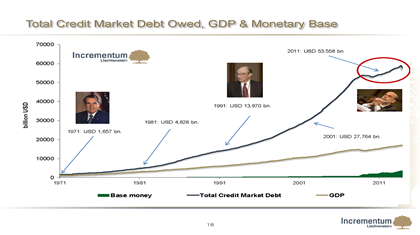
He sees Financial Repression as more about the size of the debt burden within an economy which drives the behavior of central banks. It is about the excess weight of private debt crushing the economy. Everything else is a result of this.”
The results include the “badly thought out Quantitative Easing response to a crisis which they caused by effectively ignoring the growth in private sector debt, but aren’t even aware that this is the cause of the crisis.” “Very few banks have any real clue of what they are doing. If you doubt this, all you have to do is read the minutes of the Federal Reserve. They wouldn’t dare make them up because it makes them look like a bunch of fools who have no idea what is happening.”
Obviously this sort of view does not make Professor Keen popular with the establishment, seeking prestigious and lucrative government and teaching positions.
QE IS NOT MONEY PRINTING!
Irving Fishers explanation of where the Great Depression evolved from was the level and growth of private debt along with too low a rate of inflation. Prof Keen is of this school in which reducing this debt will only result in further falling economic growth. Former Fed Chairman and expert on the Great Depression did not believe this. Professor Keen considers Bernanke’s argument against this a “load of waffle!”. “It is completely naive to the role of banks in the economy!”
Professor lays out why he was able to warn of the coming 2008 Financial Crisis an why he does not feel the current “revival’ can last anymore than 5 years before the same sort of thing occurs.
MODERN DEBT JUBILEE
This interview is worth listening to simply for Professor Keens concept of Modern Debt Jubilee and the Syrian history of successfully doing this every 49 years. You may not agree with his view but it an interesting history lesson of how this worked prior to the advent of central banking.
Many may also agree with his views and the discussion on why the Euro was always a mistake as will be Draghi’s expected upcoming QE announcment. Few will likely also disagree with Professor Keen that moden central banking do not properly understand the role of banks, money, debt and capitalism.
Steve’s closing advise: “Don’t trust the economists!!”





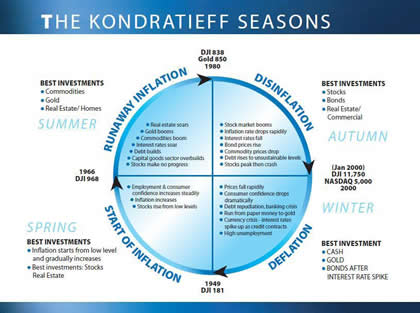











 Ronald-Peter Stoeferle is a noted Austrian economist and money manager who believes strongly that “we should expect that financial repression as well as wealth taxes in various facets which will increasingly gain in importance in coming years”. He believes “this to be a disastrous strategy, as the redistribution will merely buy time, while the structural problems remain unsolved.”